

 Deutsch
 English
 Español
 Français
 Nederlands
 Polski
 Português
 Русский
 Türkçe
 Svenska
 Chinese
 Magyar
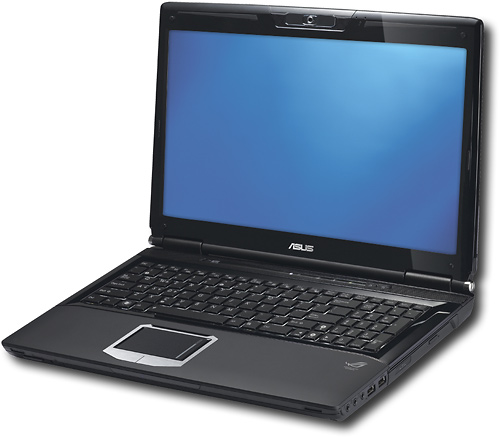
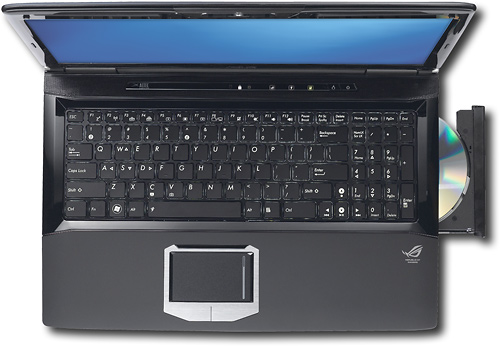
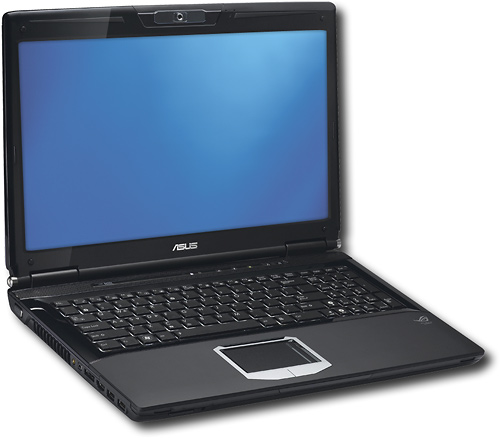
Asus G60 Serie
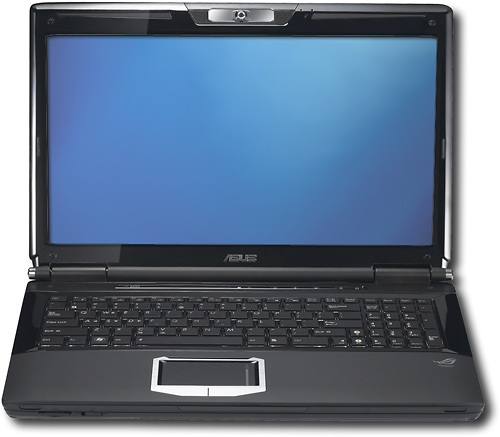 Processore: Intel Core 2 Duo T9400, Intel Core i5 430M, Intel Core i5 520M, Intel Core i7 720QM
Scheda grafica: NVIDIA GeForce GTS 360M, NVIDIA GeForce GTX 260M
Schermo: 16.00 pollici
Peso: 3.42kg, 3.44kg, 3.5kg
Prezzo: 750, 1100, 1400, 1700 euro
Media dei 45 punteggi (dalle 52 recensioni)
Asus G60VX
Specifiche tecniche
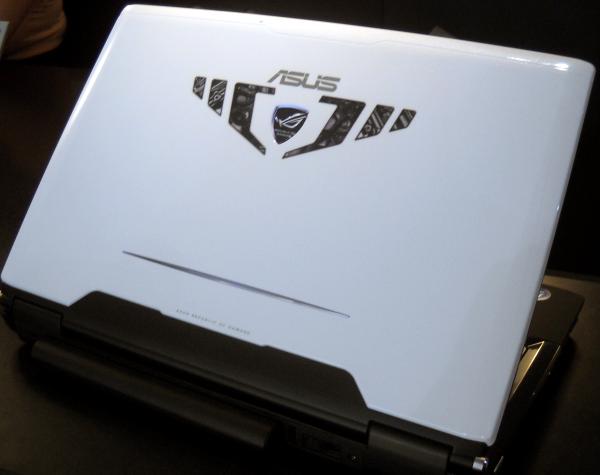 Notebook: Asus G60VX
Processore: Intel Core 2 Duo T9400
Scheda grafica: NVIDIA GeForce GTX 260M 1024 MB
Schermo: 16.00 pollici, 16:9, 1366 x 768 pixels
Peso: 3.44kg
Prezzo: 1400 euro
Links: Asus homepage Asus sezione notebook G60 (serie)
Pricecompare
Punteggio medio:
Recensioni in
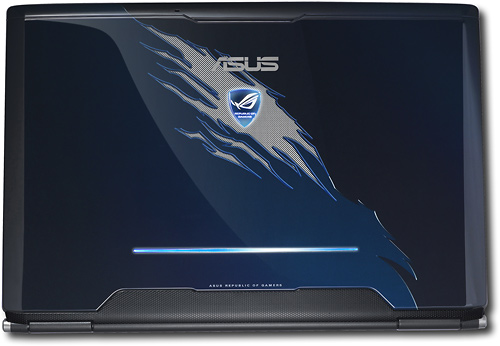
A Gamers' Dream? Asus shows courage for design and equips the G60VX with a white notebook lid with a futuristic stamp. There is also a Core 2 Duo T9400 and a GeForce GTX 260M that provide for exceptional performance values inside of the 16.0 inch case. We have looked at the notebook closer and clarified the question if Asus has achieved to make a replete gaming notebook with the G60VX that can impress even beyond its looks.
recensioni esterne
Sorgente: Pocket Lint
 EN→IT Archive.org version
Will this give you your gaming fix? The Asus G60Vx is an acceptable series of compromises. The screen resolution has been cut so that the performance delivers. The speakers aren't amazing, but the keyboard is pretty good. The battery life is terrible, but things don't get too hot up top. If you're dead set on buying a gaming laptop, then the G60Vx is a respectable option at around £1350. If you're not going to be carting it around a lot, though, then there's little to recommend buying this over a more capable gaming desktop at two-thirds of the price.
Singola recensione, disponibile online, Medio, Data: 01/27/2010
Valutazione: Punteggio totale: 70%
Sorgente: PC Pro
EN→IT Archive.org versionIn a world where technology is steadily shrinking, gaming laptops are a stubborn exception to the rule. Uncompromised gaming power requires powerful components, and while that's fine in the roomy environs of a desktop tower, it's more of a challenge in a notebook chassis. There's no question you pay a hefty premium for gaming laptops, but at £1,163, the Asus G60Vx is one of the most affordable around. The generous specification makes much of the competition look stingy, and the combination of good looks, sturdy build quality and overall panache makes this one of the most tempting gaming laptops we've seen.
Singola recensione, disponibile online, Medio, Data: 08/21/2009
Valutazione: Punteggio totale: 83% prezzo: 83% prestazioni: 83%
Sorgente: Bit-Tech
EN→IT Archive.org versionOn paper, and in the tests, the G60Vx acquits itself pretty well. There's not much wrong with a 2.53GHz Core 2 Duo, 4GB RAM and a Blu-Ray drive, after all. Add in the quality keyboard and the not horrific styling and you might think it's a product well on its way to a recommendation. And in some respects, it does get close - after all, it's a gaming laptop which can play a good number of modern games at the native resolution of its panel. The problem is said panel is poor quality, and the resolution is irritatingly low for 2D usage. Add in the fact that Radeon HD 4850 equipped machines are as quick in gaming and tend to be cheaper and we think you'll see why we've concluded the G60Vx is far from perfect for most people.
Singola recensione, disponibile online, Lungo, Data: 07/30/2009
Valutazione: Punteggio totale: 70% prestazioni: 70% caratteristiche: 60% qualità di lavorazione: 90% ergonomia: 80%
Sorgente: Chip.de
 DE→IT Archive.org version
Singola recensione, disponibile online, Corto, Data: 10/14/2009
Valutazione: Punteggio totale: 92% prezzo: 83% prestazioni: 100% caratteristiche: 90% schermo: 87% mobilità: 35% ergonomia: 93%
Sorgente: c't - 21/09
Confronto, , Lunghissimo, Data: 10/01/2009
Valutazione: prestazioni: 85% caratteristiche: 80% schermo: 75% mobilità: 40% ergonomia: 70% emissioni: 80%
Sorgente: Notebookcheck
DE→IT Archive.org versionSingola recensione, disponibile online, Lungo, Data: 09/29/2009
Valutazione: Punteggio totale: 84% prestazioni: 91% schermo: 77% mobilità: 64% qualità di lavorazione: 84% ergonomia: 81% emissioni: 79%
Sorgente: Gamestar - 10/09
Confronto, , Sconosciuta, Data: 09/01/2009
Valutazione: Punteggio totale: 88% prezzo: 80%
Sorgente: Gamestar
DE→IT Archive.org versionSingola recensione, disponibile online, Cortissimo, Data: 08/27/2009
Valutazione: Punteggio totale: 88% prezzo: 80% prestazioni: 93% caratteristiche: 90% schermo: 85%
Sorgente: Notebookjournal
DE→IT Archive.org versionSingola recensione, disponibile online, Lungo, Data: 08/04/2009
Valutazione: Punteggio totale: 90% prezzo: 80% prestazioni: 80% caratteristiche: 70% schermo: 50% mobilità: 30% qualità di lavorazione: 90% ergonomia: 70%
Sorgente: Notebookjournal
DE→IT Archive.org versionSingola recensione, disponibile online, Lungo, Data: 06/24/2009
Valutazione: Punteggio totale: 90% prestazioni: 70% caratteristiche: 90% schermo: 50% mobilità: 30% qualità di lavorazione: 90% ergonomia: 70%
Asus G60J
Specifiche tecniche
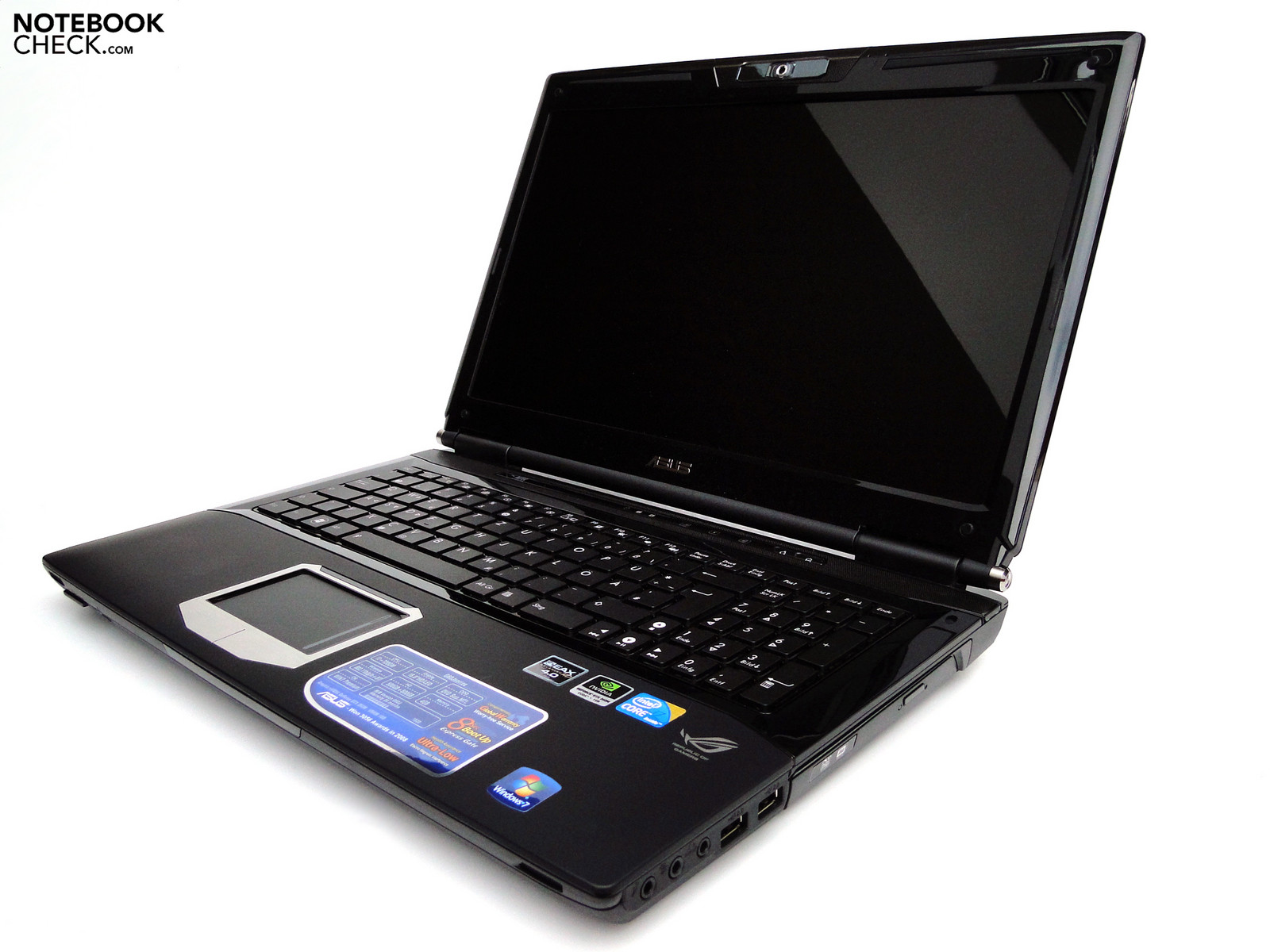 Notebook: Asus G60J
Processore: Intel Core i7 720QM
Scheda grafica: NVIDIA GeForce GTX 260M 1024 MB
Schermo: 16.00 pollici, 16:9, 1366 x 768 pixels
Peso: 3.42kg
Prezzo: 1700 euro
Links: Asus homepage Asus sezione notebook G60 (serie)
Pricecompare
Punteggio medio:
Recensioni in
R.O.G. con Core i7. "Republic of Gamers" è il nome con cui Asus ha rilasciato un gran numero di portatili per soddisfare le richieste dei giocatori. Man mano che i giochi diventano più realistici, richiedono prestazioni superiori da PC e notebook, quindi alle aziende come Asus viene richiesto un costante miglioramento dei modelli dedicati al gaming equipaggiandoli con le componenti più nuove e veloci. Non desta quindi alcuna sorpresa la presenza delle nuove CPU Intel Core i7 in molti dei nuovi portatili Asus. Nella nostra recensione: l'Asus G60J equipaggiato con la CPU i7-720QM e la scheda grafica GTX 260M di Nvidia.
recensioni esterne
Sorgente: Techradar
EN→IT Archive.org versionCan this Core i7 powered laptop show us quad core has finally come of age? Here we have the new Asus G60J, a gaming laptop with a Intel Core i7 Q820M at it's beating heart. But before we can properly review this laptop we have to dispel some myths surrounding core counts. But that certainly doesn't make up for the awful viewing angles, the resulting watery colours and feeble contrast. At this price point, that's borderline unforgivable.
Singola recensione, disponibile online, Corto, Data: 03/17/2010
Valutazione: Punteggio totale: 80%
Sorgente: Techradar
EN→IT Archive.org versionCan this Core i7 powered laptop show us quad core has finally come of age? Here we have the new Asus G60J, a gaming laptop with a Intel Core i7 Q820M at it's beating heart. But before we can properly review this laptop we have to dispel some myths surrounding core counts. But that certainly doesn't make up for the awful viewing angles, the resulting watery colours and feeble contrast. At this price point, that's borderline unforgivable.
Singola recensione, disponibile online, Corto, Data: 03/17/2010
Valutazione: Punteggio totale: 80%
Sorgente: Inside HW
EN→IT Archive.org versionWe’ve already mentioned the basic hardware components in the lead-in, so it’s time to provide a few more details. Intel Core i7-820QM boasts the Hyper-threading technology, which makes the system detect eight instead of four cores, leading to better CPU usage in multithreaded programs. Besides that, the Turbo Boost technology enables the core clock to increase from the default 1,73 GHz to an entire 3,066 GHz, which is especially useful for older applications, the ones not optimised for multi-core CPUs.
Singola recensione, disponibile online, Medio, Data: 02/02/2010
prestazioni: 80%
Sorgente: Inside HW
EN→IT Archive.org versionWe’ve already mentioned the basic hardware components in the lead-in, so it’s time to provide a few more details. Intel Core i7-820QM boasts the Hyper-threading technology, which makes the system detect eight instead of four cores, leading to better CPU usage in multithreaded programs. Besides that, the Turbo Boost technology enables the core clock to increase from the default 1,73 GHz to an entire 3,066 GHz, which is especially useful for older applications, the ones not optimised for multi-core CPUs.
Singola recensione, disponibile online, Medio, Data: 02/02/2010
prestazioni: 80%
Sorgente: Trusted Reviews
EN→IT Archive.org versionGaming laptops are all about compromise. Manufacturers have to carefully juggle size and weight with price and performance, and inevitably these mobile monsters end up being large, heavy, expensive and - compared to even mid-range desktop rigs – underpowered. To get good gaming performance on a laptop you still need to go for an SLI setup which limits you to Intel’s Core 2, but if you’re after one of the new Core i7 laptops that will at least let you at least play the latest games, the Asus G60J is definitely worth considering.
Singola recensione, disponibile online, Lungo, Data: 12/17/2009
Valutazione: Punteggio totale: 80% prezzo: 80% prestazioni: 80% caratteristiche: 90% mobilità: 40%
Sorgente: Trusted Reviews
EN→IT Archive.org versionGaming laptops are all about compromise. Manufacturers have to carefully juggle size and weight with price and performance, and inevitably these mobile monsters end up being large, heavy, expensive and - compared to even mid-range desktop rigs – underpowered. To get good gaming performance on a laptop you still need to go for an SLI setup which limits you to Intel’s Core 2, but if you’re after one of the new Core i7 laptops that will at least let you at least play the latest games, the Asus G60J is definitely worth considering.
Singola recensione, disponibile online, Lungo, Data: 12/17/2009
Valutazione: Punteggio totale: 80% prezzo: 80% prestazioni: 80% caratteristiche: 90% mobilità: 40%
Sorgente: PC Authority
EN→IT Archive.org versionIn a world where technology is steadily shrinking, gaming laptops are a stubborn exception to the rule. Uncompromised gaming power requires powerful components, and while that's fine in the roomy environs of a desktop tower, it's more of a challenge in a notebook chassis. There's no question you pay a hefty premium for gaming laptops, but at $2524 the Asus G60J is one of the most affordable around. The generous specification makes much of the competition look stingy, and the combination of good looks, sturdy build quality and overall panache makes this one of the most tempting gaming laptops we've seen.
Singola recensione, disponibile online, Medio, Data: 11/18/2009
Valutazione: prezzo: 80% qualità di lavorazione: 80%
Sorgente: PC Authority
EN→IT Archive.org versionIn a world where technology is steadily shrinking, gaming laptops are a stubborn exception to the rule. Uncompromised gaming power requires powerful components, and while that's fine in the roomy environs of a desktop tower, it's more of a challenge in a notebook chassis. There's no question you pay a hefty premium for gaming laptops, but at $2524 the Asus G60J is one of the most affordable around. The generous specification makes much of the competition look stingy, and the combination of good looks, sturdy build quality and overall panache makes this one of the most tempting gaming laptops we've seen.
Singola recensione, disponibile online, Medio, Data: 11/18/2009
Valutazione: prezzo: 80% qualità di lavorazione: 80%
Sorgente: Tech Advisor
EN→IT Archive.org versionThe ASUS G60J is a powerful laptop PC with an Intel Core i7 Mobile Processor. The ASUS G60J is not terribly expensive for a powerful gaming notebook. We think it's well-built, and it has almost every feature on our 'want' list save for dual-band wireless networking. We like it not only as a gaming system, but also as a desktop replacement. We don't really see the point of including Express Gate and Power4Gear on such a powerful notebook, but you know ASUS — the more features the better!
Singola recensione, disponibile online, Medio, Data: 11/17/2009
Valutazione: Punteggio totale: 80%
Sorgente: Tech Advisor
EN→IT Archive.org versionThe ASUS G60J is a powerful laptop PC with an Intel Core i7 Mobile Processor. The ASUS G60J is not terribly expensive for a powerful gaming notebook. We think it's well-built, and it has almost every feature on our 'want' list save for dual-band wireless networking. We like it not only as a gaming system, but also as a desktop replacement. We don't really see the point of including Express Gate and Power4Gear on such a powerful notebook, but you know ASUS — the more features the better!
Singola recensione, disponibile online, Medio, Data: 11/17/2009
Valutazione: Punteggio totale: 80%
Sorgente: Good Gear Guide
EN→IT Archive.org versionThe ASUS G60J is a powerful notebook with an Intel Core i7 Mobile Processor. It wears the Republic of Gamers badge, which means it can run many of the latest games. It has a 16in screen and a powerful graphics card, and it's comfortable to use — even in the dark, thanks to its backlit keyboard. The ASUS G60J is a worthy desktop replacement notebook in addition to being a potent gaming machine. You can use this laptop for just about anything thanks to its powerful specifications, and its build quality is very good, too.
Singola recensione, disponibile online, Lungo, Data: 11/13/2009
Valutazione: Punteggio totale: 80%
Sorgente: Good Gear Guide
EN→IT Archive.org versionThe ASUS G60J is a powerful notebook with an Intel Core i7 Mobile Processor. It wears the Republic of Gamers badge, which means it can run many of the latest games. It has a 16in screen and a powerful graphics card, and it's comfortable to use — even in the dark, thanks to its backlit keyboard. The ASUS G60J is a worthy desktop replacement notebook in addition to being a potent gaming machine. You can use this laptop for just about anything thanks to its powerful specifications, and its build quality is very good, too.
Singola recensione, disponibile online, Lungo, Data: 11/13/2009
Valutazione: Punteggio totale: 80%
Sorgente: Digital Versus
EN→IT Archive.org versionA newcomer in Asus' 'Republic of Gamers' family, the G60J boasts leading-edge components. With its quad-core processor, high-end graphics card, and high-class finish, it’s a contender for becoming a new reference as a gaming laptop. With its excellent Intel Core i7 processor and quality graphics card, the Asus G60J is a very good machine. But we’d have liked to see a higher display resolution and an improvement on the ridiculously short battery life
Singola recensione, disponibile online, Medio, Data: 10/30/2009
Valutazione: Punteggio totale: 80%
Sorgente: Digital Versus
EN→IT Archive.org versionA newcomer in Asus' 'Republic of Gamers' family, the G60J boasts leading-edge components. With its quad-core processor, high-end graphics card, and high-class finish, it’s a contender for becoming a new reference as a gaming laptop. With its excellent Intel Core i7 processor and quality graphics card, the Asus G60J is a very good machine. But we’d have liked to see a higher display resolution and an improvement on the ridiculously short battery life
Singola recensione, disponibile online, Medio, Data: 10/30/2009
Valutazione: Punteggio totale: 80%
Sorgente: Mobile Computer
EN→IT Archive.org versionQuad-core processors are the next big thing in laptop technology, but it will be a while before we see them used as widely as dual-core chips. Power consumption and heat are two problems that Intel has yet to crack with its current mobile Core 2 Quad line-up, which is why OEMs are only using them for big and beefy laptops like the ASUS G60J. It’s not a laptop for everyone, but the ASUS G60J certainly delivers in spades for its target audience of itinerant gamers. The screen resolution could be higher, but there’s no knocking the rest of its specification.
Singola recensione, disponibile online, Medio, Data: 10/23/2009
Valutazione: Punteggio totale: 83%
Sorgente: Mobile Computer
EN→IT Archive.org versionQuad-core processors are the next big thing in laptop technology, but it will be a while before we see them used as widely as dual-core chips. Power consumption and heat are two problems that Intel has yet to crack with its current mobile Core 2 Quad line-up, which is why OEMs are only using them for big and beefy laptops like the ASUS G60J. It’s not a laptop for everyone, but the ASUS G60J certainly delivers in spades for its target audience of itinerant gamers. The screen resolution could be higher, but there’s no knocking the rest of its specification.
Singola recensione, disponibile online, Medio, Data: 10/23/2009
Valutazione: Punteggio totale: 83%
Sorgente: CNet
EN→IT Archive.org versionAsus' 'Republic of Gamers' brand of laptops has been around for a while now, and the company really impressed with the king-size, 18.4-inch W90 earlier this year. The new, 16-inch G60J has more manageable proportions, but Asus hasn't skimped on performance. Inside is a new Intel Core i7 processor that promises to make this £1,700 machine one of the fastest laptops we've ever seen. The Asus G60J may lack a brash design, but it packs more than enough punch to make light work of even the most demanding 3D games, not to mention any other applications. The only weak spot is the comparatively low-resolution screen. That may deter gamers looking for a no-compromise machine.
Singola recensione, disponibile online, Medio, Data: 10/13/2009
Valutazione: Punteggio totale: 89%
Sorgente: CNet
EN→IT Archive.org versionAsus' 'Republic of Gamers' brand of laptops has been around for a while now, and the company really impressed with the king-size, 18.4-inch W90 earlier this year. The new, 16-inch G60J has more manageable proportions, but Asus hasn't skimped on performance. Inside is a new Intel Core i7 processor that promises to make this £1,700 machine one of the fastest laptops we've ever seen. The Asus G60J may lack a brash design, but it packs more than enough punch to make light work of even the most demanding 3D games, not to mention any other applications. The only weak spot is the comparatively low-resolution screen. That may deter gamers looking for a no-compromise machine.
Singola recensione, disponibile online, Medio, Data: 10/13/2009
Valutazione: Punteggio totale: 89%
Sorgente: HardwareLuxx
DE→IT Archive.org versionSingola recensione, disponibile online, Lunghissimo, Data: 06/17/2010
Valutazione: prestazioni: 80% schermo: 40% mobilità: 40% qualità di lavorazione: 80% emissioni: 80%
Sorgente: HardwareLuxx
DE→IT Archive.org versionSingola recensione, disponibile online, Lunghissimo, Data: 06/17/2010
Valutazione: prestazioni: 80% schermo: 40% mobilità: 40% qualità di lavorazione: 80% emissioni: 80%
Sorgente: PC Action - 4/10
Confronto, , Sconosciuta, Data: 03/01/2010
Valutazione: Punteggio totale: 91% prezzo: 70% prestazioni: 90% caratteristiche: 90%
Sorgente: PC Games Hardware - 4/10
Confronto, , Sconosciuta, Data: 03/01/2010
Valutazione: Punteggio totale: 90% prezzo: 60%
Sorgente: PC Action - 4/10
Confronto, , Sconosciuta, Data: 03/01/2010
Valutazione: Punteggio totale: 91% prezzo: 70% prestazioni: 90% caratteristiche: 90%
Sorgente: PC Games Hardware - 4/10
Confronto, , Sconosciuta, Data: 03/01/2010
Valutazione: Punteggio totale: 90% prezzo: 60%
Sorgente: Notebookjournal
DE→IT Archive.org versionSingola recensione, disponibile online, Medio, Data: 01/29/2010
Valutazione: Punteggio totale: 90%
Sorgente: Notebookjournal
DE→IT Archive.org versionSingola recensione, disponibile online, Medio, Data: 01/29/2010
Valutazione: Punteggio totale: 90%
Sorgente: PC Games Hardware - 2/10
Confronto, , Sconosciuta, Data: 01/01/2010
Valutazione: Punteggio totale: 91% prezzo: 70%
Sorgente: PC Games Hardware - 2/10
Confronto, , Sconosciuta, Data: 01/01/2010
Valutazione: Punteggio totale: 91% prezzo: 70%
Sorgente: Notebookjournal
DE→IT Archive.org versionSingola recensione, disponibile online, Lungo, Data: 11/12/2009
Valutazione: Punteggio totale: 90% prezzo: 70% prestazioni: 80% caratteristiche: 70% schermo: 50% mobilità: 30% qualità di lavorazione: 80% ergonomia: 50%
Sorgente: Notebookjournal
DE→IT Archive.org versionSingola recensione, disponibile online, Lungo, Data: 11/12/2009
Valutazione: Punteggio totale: 90% prezzo: 70% prestazioni: 80% caratteristiche: 70% schermo: 50% mobilità: 30% qualità di lavorazione: 80% ergonomia: 50%
Sorgente: Notebookcheck
DE→IT Archive.org versionSingola recensione, disponibile online, Lungo, Data: 11/05/2009
Valutazione: Punteggio totale: 85% prestazioni: 93% schermo: 75% mobilità: 52% qualità di lavorazione: 88% ergonomia: 86% emissioni: 76%
Sorgente: Notebookcheck
DE→IT Archive.org versionSingola recensione, disponibile online, Lungo, Data: 11/05/2009
Valutazione: Punteggio totale: 85% prestazioni: 93% schermo: 75% mobilità: 52% qualità di lavorazione: 88% ergonomia: 86% emissioni: 76%
Sorgente: PC Games Hardware - 12/09
Confronto, , Sconosciuta, Data: 11/01/2009
Valutazione: Punteggio totale: 95% prezzo: 60%
Sorgente: PC Games Hardware - 12/09
Confronto, , Sconosciuta, Data: 11/01/2009
Valutazione: Punteggio totale: 95% prezzo: 60%
Sorgente: Benchmark.pl
 PL→IT Archive.org version
Singola recensione, disponibile online, Medio, Data: 12/09/2009
Valutazione: Punteggio totale: 80% prestazioni: 100% schermo: 80% mobilità: 50% qualità di lavorazione: 100% ergonomia: 100% emissioni: 60%
Sorgente: Benchmark.pl
PL→IT Archive.org versionSingola recensione, disponibile online, Medio, Data: 12/09/2009
Valutazione: Punteggio totale: 80% prestazioni: 100% schermo: 80% mobilità: 50% qualità di lavorazione: 100% ergonomia: 100% emissioni: 60%
Sorgente: NotebookTV.hu
 HU→IT Archive.org version
Singola recensione, disponibile online, Cortissimo, Data: 03/04/2010
Valutazione: Punteggio totale: 80% prezzo: 60% prestazioni: 100% schermo: 70% mobilità: 40% qualità di lavorazione: 90% ergonomia: 90% emissioni: 40%
Sorgente: NotebookTV.hu
HU→IT Archive.org versionSingola recensione, disponibile online, Cortissimo, Data: 03/04/2010
Valutazione: Punteggio totale: 80% prezzo: 60% prestazioni: 100% schermo: 70% mobilità: 40% qualità di lavorazione: 90% ergonomia: 90% emissioni: 40%
Sorgente: Prohardver.hu
HU→IT Archive.org versionSingola recensione, disponibile online, Lungo, Data: 10/26/2009
Valutazione: prezzo: 40% prestazioni: 90%
Sorgente: Prohardver.hu
HU→IT Archive.org versionSingola recensione, disponibile online, Lungo, Data: 10/26/2009
Valutazione: prezzo: 40% prestazioni: 90%
Asus G60JX
Specifiche tecniche
 Notebook: Asus G60JX
Processore: Intel Core i5 430M
Scheda grafica: NVIDIA GeForce GTS 360M
Schermo: 16.00 pollici, 16:9, 1366 x 768 pixels
Peso: 3.5kg
Prezzo: 750 euro
Links: Asus homepage Asus sezione notebook G60 (serie)
Pricecompare
Punteggio medio:
recensioni esterne
Sorgente: Voz.vn
 VN→IT Archive.org version
Singola recensione, disponibile online, Medio, Data: 04/16/2010
Valutazione: Punteggio totale: 85% prestazioni: 88% caratteristiche: 70% mobilità: 40%
Asus G60JX-JX154V
Specifiche tecniche
Notebook: Asus G60JX-JX154VProcessore: Intel Core i5 520M
Scheda grafica: NVIDIA GeForce GTS 360M
Schermo: 16.00 pollici, 16:9, 1366 x 768 pixels
Peso: 3.5kg
Prezzo: 1100 euro
Links: Asus homepage Asus sezione notebook G60 (serie)
Pricecompare
Punteggio medio:
recensioni esterne
Sorgente: Notebookinfo
DE→IT Archive.org versionSingola recensione, disponibile online, Lungo, Data: 09/24/2010
Valutazione: Punteggio totale: 80% prestazioni: 80% schermo: 80% mobilità: 70% ergonomia: 80% emissioni: 80%
Commenti
Asus: ASUSTeK Computer Inc. è un importante produttore taiwanese di hardware per computer con sede a Taipei, fondato nel 1989. Con il marchio Asus, l'azienda produce un'ampia gamma di prodotti, tra cui laptop, desktop, schede madri, schede grafiche, monitor, smartphone e apparecchiature di rete , sistemi completi e componenti PC per utenti finali.
Con il marchio ROG (Republic of Gamers), ASUS produce laptop da gioco conosciuti dai giocatori per le loro potenti specifiche, schede grafiche dedicate, display ad alta frequenza di aggiornamento e sistemi di raffreddamento avanzati.
Oltre ai giochi, viene offerta un'ampia gamma di notebook per esigenze e budget diversi, dagli ultrabook ultrasottili e leggeri ai versatili convertibili 2 in 1 e alle opzioni economiche. Nel 2023, Asus deteneva una quota di mercato globale del 7% del mercato dei PC.
La soddisfazione del cliente per i notebook ASUS riguarda le prestazioni, le caratteristiche e il buon rapporto prezzo-prestazioni dei notebook ASUS. Tuttavia, come con qualsiasi marca, ci sono segnalazioni occasionali di problemi come surriscaldamento, compatibilità dei driver o problemi di qualità costruttiva.
Ridurre la distanza delle Schede Grafiche per gli utenti che vogliono utilizzare il videogiochi. I nuovi giochi dovrebbero funzionare su queste schede, ma con riduzione dei dettagli e risoluzione mediocre.
NVIDIA GeForce GTX 260M: La NVidia GeForce GTX 260M è la scheda grafica di fascia alta della serie 200M e si basa sul core G92b. Di conseguenza, il chip è un 9800M GTX con valore di clock leggermente superiori 550/1375/950 contro 500/1250/800. E' realizzata in tecnologia 55nm. Pertanto non è simile alla Desktop GTX 260 ma in qualche modo alla 9800 GT.
Come tutte le schede con capacità DirectX 10, la GeForce GTX 280M gestisce le immagini 3D utilizzando la "Unified Shaders". Non esistono più shaders pixel- e vertex dedicati ma 112 processori chiamati stream che fanno il lavoro grafico (fatto in precedenza dagli shaders pixel and vertex shaders). Inoltre, le unità shader hanno clock superiori rispetto al chip (1375 MHz).
NVIDIA GeForce GTS 360M: Stesso chip della GTS 260M ma clock rate più elevato (412 contro 396 Gigaflops secondo Nvidia). Fornisce prestazioni di prima classe con memoria grafica GDDR5.
>> Ulteriori informazioni le potete trovare nel nostroConfronto delle schede grafiche e nella nostra Lista dei Benchmark.
Intel Core 2 Duo: Questo è il successore del Core Duo e del Core Solo con una pipeline più lunga ed il 5-20% di velocità in più senza avere maggiore consumo di energia. Come aggiunta al design del Core Duo esiste un quarto decoder, una unità amplificata SSE ed una unità logica aritmetica (ALU) addizionale. Il Core 2 Duo per portatili è identico al processore per desktop Core 2 Duo ma il processore per portatili lavora con un voltaggio inferiore (0.95 a 1188 Volt) ed un Frontside bus clock inferiore (1066 vs 667 MHz). Le prestazioni di portatili con clock equivalenti sono inferiori del 20-25% rispetto ai PCs Desktop a causa del Frontside bus clock inferiore e agli hard disks più lenti.
T9400: La T9400 è una veloce CPU dual core di classe media per portatili ed è di base una Core 2 Duo P9500 con un TDP superiore di 35 Watt.
Intel Core i7:
720QM: Il Core i7-720QM è il Core i7 Quad più lento del 2009 ed ha un clock tra 1.6 e 2.8 GHz (grazie al Turbo Mode). Di conseguenza, il processore combina i vantaggi delle veloci CPUs single core e delle lente CPUs quad-core. Rispetto alle più veloci CPUs Core i7, la 720QM ha solo 6MB di L3 Cache.
Intel Core i5:
430M: Il Core i5-430M è una CPU dual core di media classe che sfrutta solo 3 MB di L3 Cache (rispetto alla I7-640M) ed ha un clock tra 2.26-2.53 GHz (Turbo Mode). Inoltre, nella 430M mancano VT-d, trusted Execution e funzioni AES. Grazie all'Hyperthreading, possono essere gestiti 4 threads contemporaneamente. Nel pacchetto sono incluse anche una scheda grafica integrata (Intel HD Graphics da 500-733 MHz) ed un controller memoria DDR3.
520M: Il Core i5-520M ha solo 3 MB di L3 Cache (rispetto alla I7-640M) ed un clock tra 2.4-2.93 GHz (Turbo Mode). Grazie all'Hyperthreading, possono essere processati 4 threads contemporaneamente. Nel pacchetto è inclusa anche una scheda grafica (GMA HD 3150) ed un controller memoria DDR3.
>>Ulteriori informazioni le potete trovare nel nostroConfronto dei processori per portatili.
>> Per scoprire come è la risoluzione del vostro schermo, andate a vedere la nostraLista DPI.
3.42 kg:
Normalmente i portatili con diagonale da 17” pesano di più. Il peso è un po' eccessivo per un portatile da 15” ma accettabile per dispositivi destinati ad un utilizzo stazionario.
3.5 kg:
84.71%: Il punteggio deve essere considerato medio, in quanto il numero di portatili che hanno ottenuto un punteggio migliore è uguale a quello dei portatili che hanno avuto un punteggio peggiore.
>> Ulteriori informazioni le potete trovare nella nostra Guida all'acquisto di un portatile.