



Lenovo IdeaPad Y560d
Specifiche tecniche
Price comparison
Media dei 4 punteggi (dalle 6 recensioni)
recensioni per Lenovo IdeaPad Y560d
Sorgente: CNet
 EN→IT Archive.org version
Though 3D is a big buzzword in the television world, it's been slower to take off in desktop and laptop TVs. That's in some ways surprising, as a tested, functional 3D infrastructure has existed for PCs for a couple of years now, in the form of Nvidia's 3D Vision technology. One of only a handful of 3D laptops, the Lenovo IdeaPad Y560d skips active shutter glasses for an inferior technology, but keeps the A-list price.
Singola recensione, disponibile online, Lungo, Data: 10/16/2010
Valutazione: Punteggio totale: 60% prestazioni: 70% caratteristiche: 70% mobilità: 50%
Sorgente: Hot Hardware
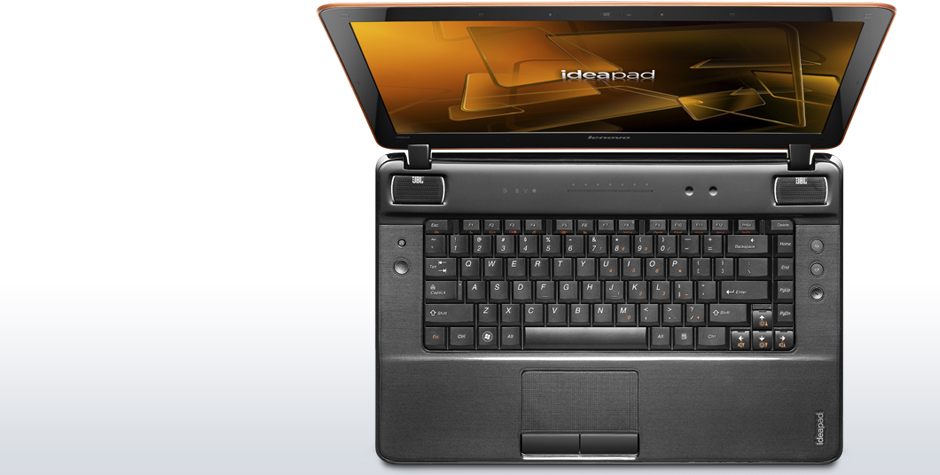
EN→IT Archive.org versionThe problem we have with the Y560D is that it's a notebook with some unchangeable and unwisely chosen components inside a well-built shell. Thus, while we can't recommend this laptop, we would feel comfortable recommending other Lenovo Y560 products in general. We loved the Y560D's speakers, the keyboard is well-built and responsive and the trackpad was both sensitive and usefully textured without going overboard in either category.
Singola recensione, disponibile online, Lungo, Data: 10/07/2010
Valutazione: prestazioni: 90% schermo: 40% mobilità: 40% qualità di lavorazione: 80%
Sorgente: Computer Shopper
EN→IT Archive.org versionWith the IdeaPad Y560D, Lenovo has officially joined the 3D revolution. For $1,399, you get a powerful Intel Core i7 processor, gaming-class graphics, and a bright 15.6-inch screen that can display movies, photos, and games in 3D. With the Y560D you can watch movies, play games, and view photos in 3D. While the 3D wasn’t overly impressive, the price-to-performance ratio was. This is a solid choice for demanding users on a $1,500 budget.
Singola recensione, disponibile online, Lungo, Data: 10/01/2010
Valutazione: Punteggio totale: 87%
Sorgente: Notebookreview.com
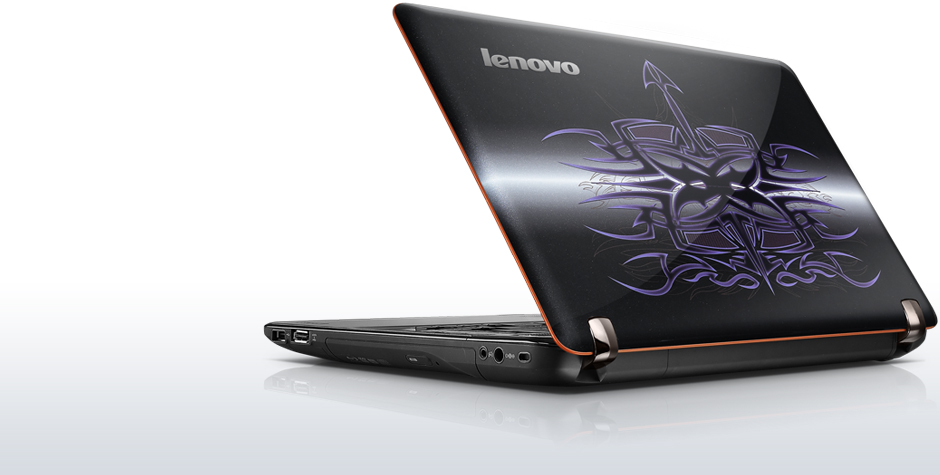
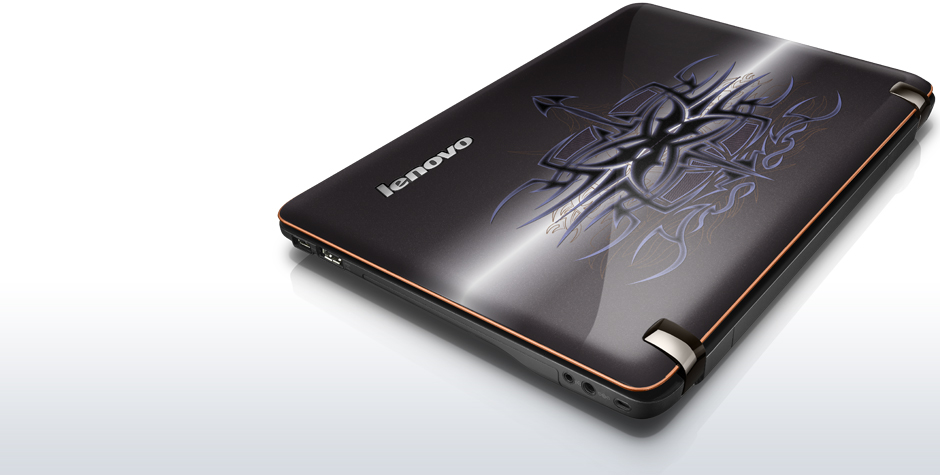
EN→IT Archive.org versionThe Y560d is a typical consumer-grade multimedia notebook with a high-performance core. Highlights of the machine include excellent overall performance (especially for gaming), a good keyboard and touchpad, a thin-and-light design, and fantastic speakers. The downsides of this notebook are significant. At the top of the list is the so-so build quality; the Y560d's flexible plastic construction does not inspire confidence. Furthermore, glossy plastic covers all visible surfaces and is impossible to keep clean. Another design issue is the gaudy-looking tattoo on the back of the lid what is that all about? The sub-three hour battery life may be a turnoff for some. Last but not least, the low resolution (1366x768) screen hurts usability and productivity.
Singola recensione, disponibile online, Medio, Data: 09/16/2010
Valutazione: prezzo: 60% prestazioni: 90% caratteristiche: 80% ergonomia: 60%
Sorgente: PC Mag
EN→IT Archive.org versionThe Lenovo IdeaPad Y560D is a competitively priced 3D laptop, but the polarized technology behind the 3D effects aren't as convincing as the active shutter 3D technology seen in other systems.
Singola recensione, disponibile online, Cortissimo, Data: 08/30/2010
Valutazione: Punteggio totale: 60%
Sorgente: Laptop Mag
EN→IT Archive.org versionOn its own, the IdeaPad Y560d is a very capable entertainment system. While its screen could be better, it has the chops to play the latest games and belt out tunes through its excellent speakers. As a 3D notebook, the Y560d is considerably less expensive than 15-inch laptops that use Nvidia's superior 3D Vision technology. For example, the ASUS G51J 3D costs approximately $1,600, though it offers a more immersive 3D experience and better gaming cred. Given that the Y560d can be had for as low as $1,100, the IdeaPad is really a good entertainment machine with 3D as a bonus.
Singola recensione, disponibile online, Medio, Data: 08/21/2010
Valutazione: Punteggio totale: 70%
Commenti
ATI Mobility Radeon HD 5730:
La maggior parte dei giochi attuali può essere giocata in modo fluido. Ma preparatevi ad una riduzione delle presentazioni grafiche considerando le impostazioni di dettaglio basse e la risoluzione limitata. Tuttavia, queste schede forniscono ancora abbastanza potenza per le applicazioni da ufficio e la proiezioni di video (ma non per i video HD).
>> Ulteriori informazioni le potete trovare nel nostroConfronto delle schede grafiche e nella nostra Lista dei Benchmark.
720QM: Il Core i7-720QM è il Core i7 Quad più lento del 2009 ed ha un clock tra 1.6 e 2.8 GHz (grazie al Turbo Mode). Di conseguenza, il processore combina i vantaggi delle veloci CPUs single core e delle lente CPUs quad-core. Rispetto alle più veloci CPUs Core i7, la 720QM ha solo 6MB di L3 Cache.
>>Ulteriori informazioni le potete trovare nel nostroConfronto dei processori per portatili.
 Add as a preferred source on Google